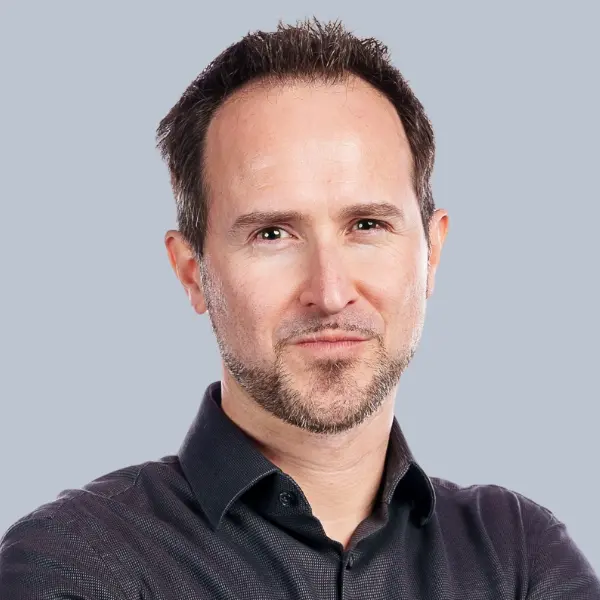
Michael Egger-Zikes
Trainer & Consultant, AngularArchitects.io | Austria
Talk
AI-powered Angular Apps
How can a new micro-frontend be discovered and integrated with the help of AI?
How can routing be extended through natural language, with the navigation bar updated accordingly?
How can new views be seamlessly integrated into an existing application?
The combination of generic programming, micro-frontend architectures, and large language models (LLMs) opens the door to a new world of software development – one where applications can be extended in specific areas without requiring deep technical expertise.
This talk is aimed at software developers, architects, and technical managers who want to explore how artificial intelligence and web-based enterprise UIs can work together.
About Michael Egger-Zikes
As an external (part-time) lecturer, he also teaches this topic at a university of applied sciences in Graz, Austria. The business informatics graduate has a lot of experience with software engineering and automating business processes.
Workshop
Modern Angular Architectures, Fall 2025 Edition: Nx, Signals, and Signal Store by Manfred Steyer & Michael Egger-Zikes (stationary & online)
We continue with integrating Signals that will shape the future of the framework and leverage the new Resource API including the httpResource for establishing a reactive design. Then, we use the brand-new NGRX Signal Store to establish modern and lightweight state management patterns.
In the end, you will know how you can use the individual tools to design modern and, above all, long-term maintainable Angular architectures.
What’s new in the Fall 2025 Edition?
✔️ Using Forensic Analyses for investigating the “healthiness” of your architecture
✔️ Strong focus on reactive architectures with Signals and the httpResource
✔️ Strong focus on state management patterns with the NgRx Signal Store
Agenda
Part 1: Professional Project Setup & Modularization
✔️ Enforcing Domain-driven and technical Module Boundaries with Nx and Sheriff
✔️ Visualizing and Evaluating your Architecture with Forensic Analyses
✔️ Bonus: Micro Frontends with Native Federation
Part 2: Reactive Architectures with Signals and the Resource API
✔️ Reacting Thinking and the Signal Graph
✔️ Your reactive architecture on top of Signals and httpResource
✔️ Signals vs. RxJS – When to use what?
✔️ Best of both worlds: RxJS Interop
Part 3: State Patterns with the NgRx Signal Store
✔️ Lightweight Stores in your Architecture
✔️ Managing Entities
✔️ Normalization
✔️ The Event API and Redux
✔️ Covering repeating cases with Custom Features
Michael Egger-Zikes in action
Learn from the Best Speakers

Łukasz Jaźwa
CTO, Synergy Codes & Tentaro | Poland
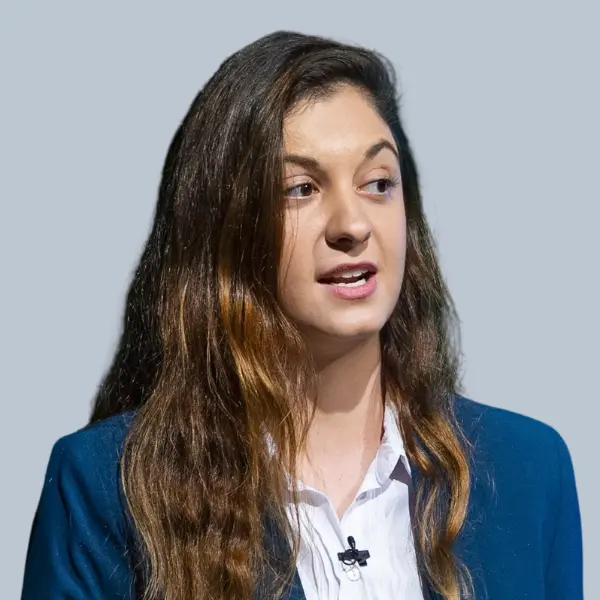
Stanimira Vlaeva
Staff Developer Advocate, MongoDB | Bulgaria
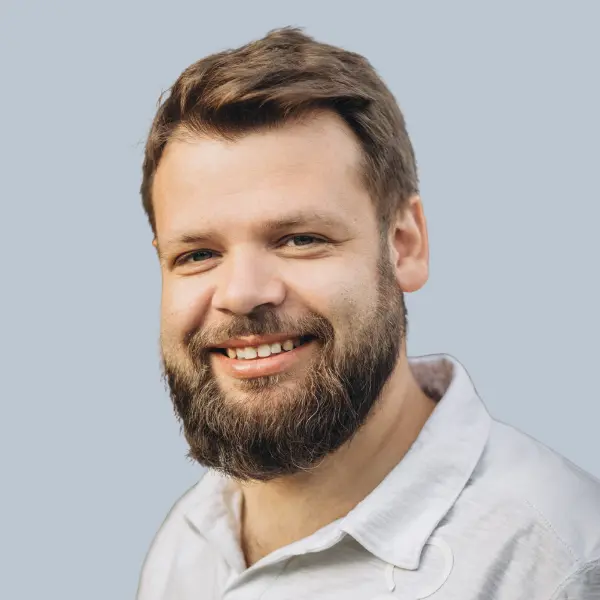
Illia Seleznov
CTO, Kinoa | Poland

Kasper Kulikowski
Senior Developer Relations Engineer, Google | Poland
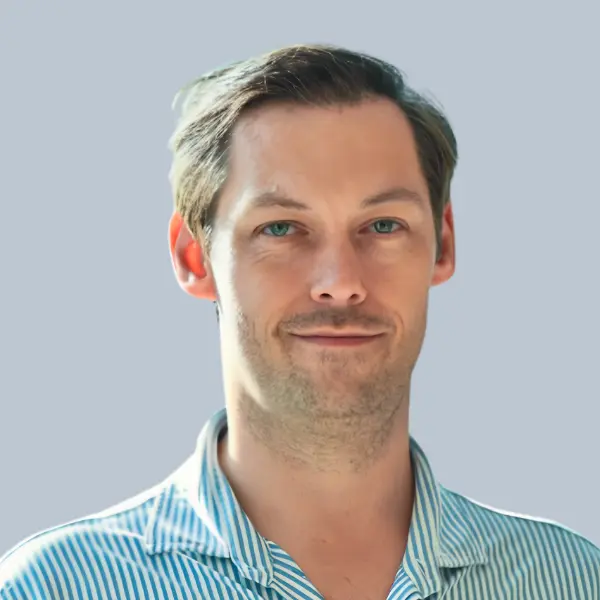
Greg Radzio
CTO, Lowgular | Poland
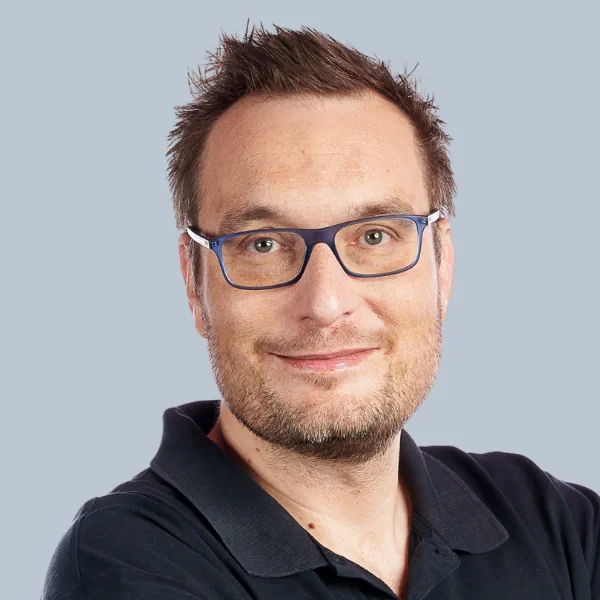
Manfred Steyer
GDE for Angular, softwarearchitekt.at | Austria

Michael Hladky
CEO, push-based.io | Austria

Alisa Duncan
Principal Developer Advocate, Okta | USA
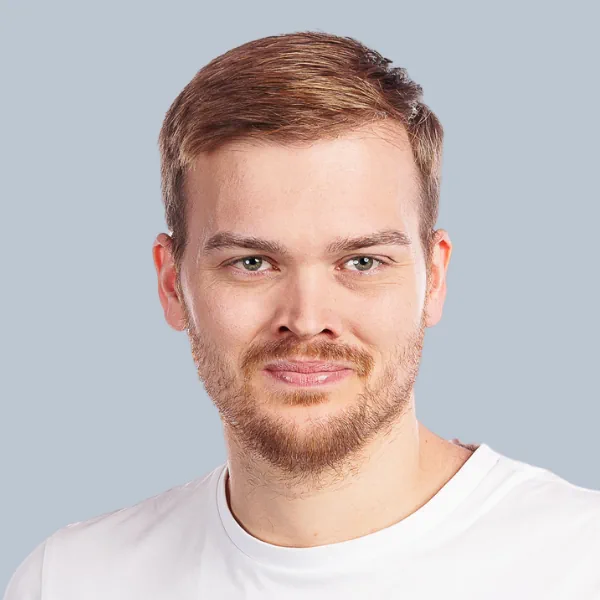
Dr. Markus Nissl
CEO, datAInsights GmbH | Austria
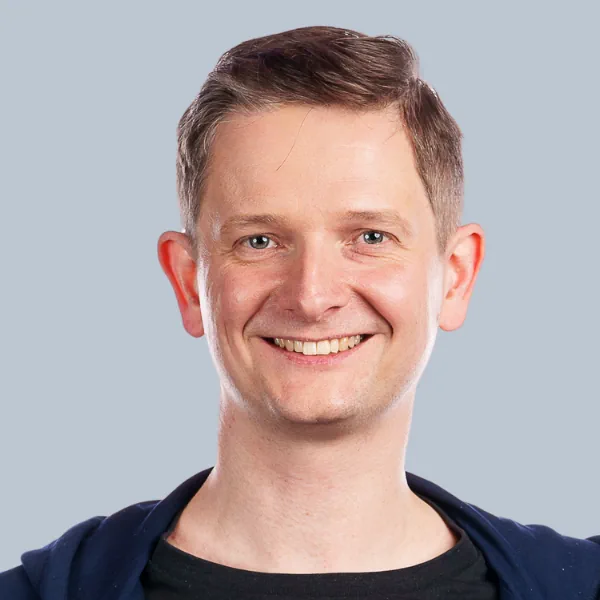
Łukasz Jancewicz
Staff Software Engineer, Google | Poland
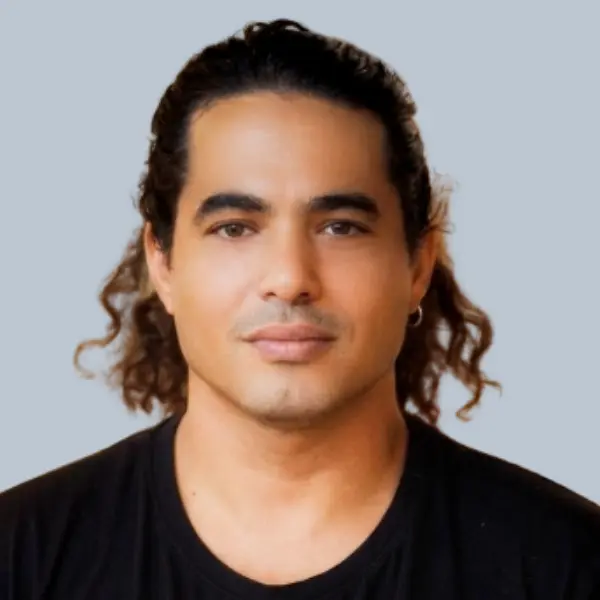
Nir Kaufman
Tech Lead, Full-stack AI Engineer, GDE, Tikal | Israel
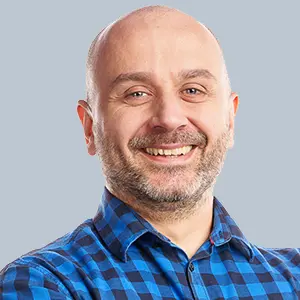
Tomasz Ducin
Independent Consultant, Architect, Developer & Trainer, Poland

Mateusz Jagodziński
Solutions Engineer, Synergy Codes | Poland
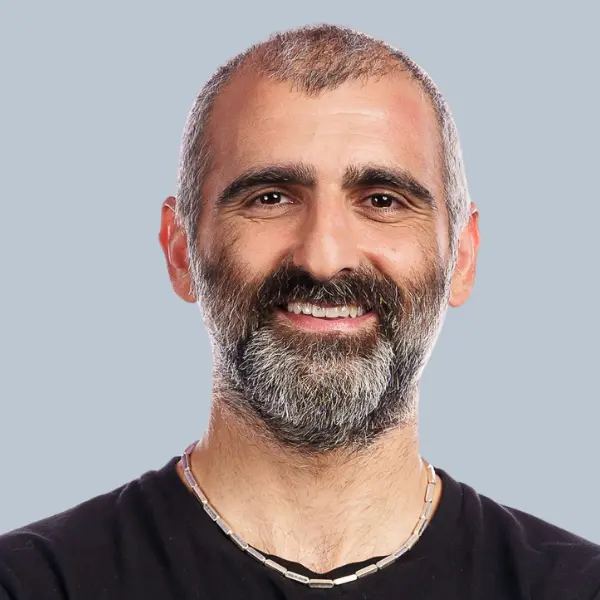
Eliran Eliassy
CEO, GDE, e-square.io | Israel
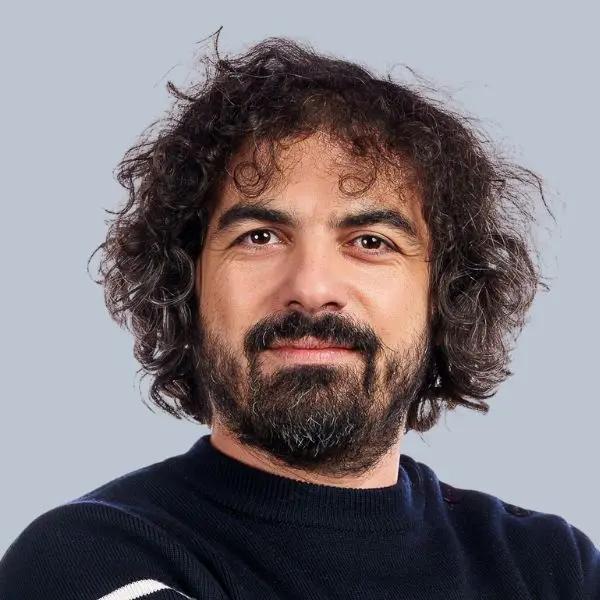
Younes Jaaidi
Software Development Cook, Teacher & Coach, GDE | France
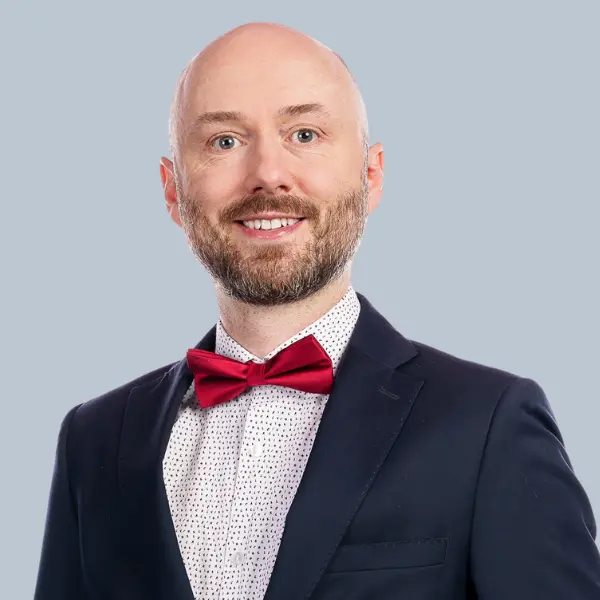
Sebastian Witalec
Head of DevRel, Namespace Labs | Poland

Daniel Sogl
Head of AI Engineering & Developer Productivity, SHI GmbH | Germany

Julia Rapczynska
Full Stack Software Developer, Push-Based | Poland

Alex Okrushko
Senior Software Engineer, Snowflake | Canada

Julian Jandl
Engineering Manager, push-based.io | Austria
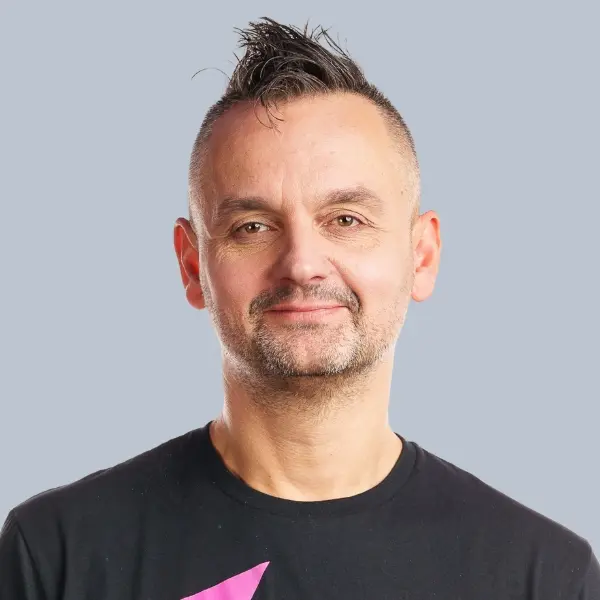
Dariusz Kalbarczyk
Google Developer Expert, Author, Podcaster, NG/JS/AI POLAND | Poland
Meet our first speakers for 2025! More to be announced soon. Interested in joining? Apply below!
Call For Papers 2025



Companies that support our community
Our Sponsors 2026
By becoming a sponsor of AI Poland, you gain a unique opportunity to showcase your company and products to hundreds of forward-thinking developers, engineers, and AI practitioners from across Europe.
This kind of exposure can drive meaningful interest in your solutions, help you connect with new business partners, and attract top tech talent.
To learn more about our sponsorship opportunities, please fill in the form.
Gold Sponsor

Gold Sponsor

Silver Sponsor

Silver Sponsor

Special Sponsor

Special Sponsor

Special Sponsor

Special Sponsor

Special Sponsor

ngGirls Sponsor

Stay in the loop Join our mailing list
Sign up to receive updates about AI Poland, including workshops, speaker announcements, ticket releases, AI Awards, expert interviews, CFP details, and other exclusive content. We won’t spam you — only thoughtfully curated updates we believe you’ll find truly valuable. You can unsubscribe at any time. More information available here.
- No spam
- Unsubscribe anytime
- Only the good stuff